
Donate for Cause: How Small Contributions Create Impact
-
 Admin: rsct
- April 30, 2026
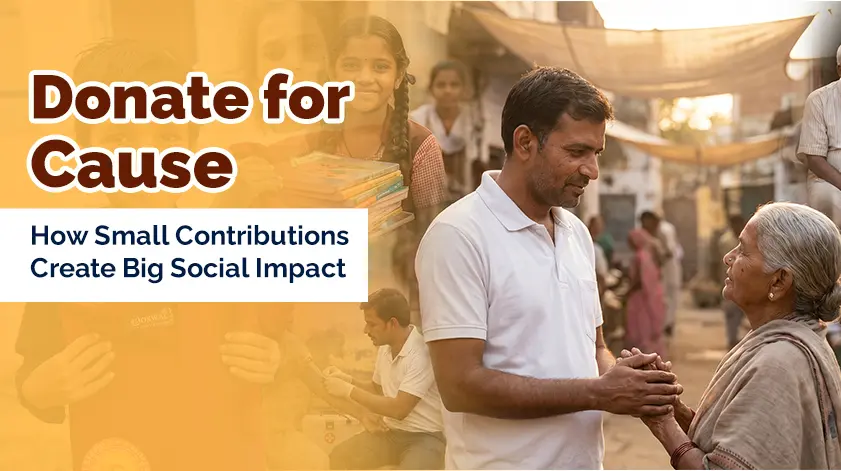
Donate for Cause: How Small Contributions Create Big Social Impact
In today’s rapidly evolving world, inequality, poverty, and lack of access to basic necessities continue to affect millions. While governments and institutions work toward long-term solutions, individual efforts still play a crucial role in bridging the gap. Choosing to donate for cause is not just an act of kindness—it is a strategic way to contribute toward building a more equitable and compassionate society.
This blog explores how meaningful donations can transform lives, where your contributions go, and how organizations like Riddhi Siddhi Charitable Trust are making a measurable difference.
Why You Should Donate for Cause in Today’s World
When you donate for cause, you are directly addressing critical social challenges such as hunger, healthcare access, education inequality, and elderly care. India alone has millions of underprivileged individuals who struggle daily for basic survival.
Donations act as:
- A lifeline for those in crisis
- A support system for long-term rehabilitation
- A resource pool for NGOs working on the ground
More importantly, giving creates a ripple effect. One contribution can impact multiple lives, especially when directed toward structured programs.
Where Your Donations Actually Go
Many donors hesitate because they are unsure about how their money is used. Transparent organizations ensure that every rupee is allocated efficiently.
When you donate for cause, your contribution typically supports:
1. Food Distribution Programs
Millions in India still face food insecurity. Donations help provide daily meals to the homeless, elderly, and economically disadvantaged families.
2. Healthcare Assistance
Funds are used for medical treatments, emergency care, and support for patients who cannot afford basic healthcare services.
3. Education Support
Donations sponsor school fees, books, and skill development programs for underprivileged children.
4. Elderly Care Services
A growing concern in India is the abandonment of senior citizens. Contributions help provide shelter, healthcare, and dignity to the elderly.
Organizations like Riddhi Siddhi Charitable Trust focus on these areas to ensure holistic community development.
The Psychological and Social Benefits of Giving
Donating is not only beneficial for recipients—it also positively impacts donors. Research consistently shows that giving improves emotional well-being and creates a sense of purpose.
When you donate for cause, you:
- Experience increased happiness and fulfillment
- Strengthen your connection with society
- Become part of a larger mission
This mutual benefit is what makes charitable giving sustainable and impactful.
How to Choose the Right Organization
Not all NGOs operate with the same level of transparency and efficiency. Before you donate, evaluate:
- Credibility: Check registration and legal compliance
- Transparency: Look for clear reporting on fund usage
- Impact: Review past initiatives and success stories
- Focus Areas: Ensure alignment with causes you care about
Riddhi Siddhi Charitable Trust stands out due to its commitment to elderly care, healthcare support, and social welfare initiatives.
Donate for Cause: A Step Toward Sustainable Change
The idea of charity has evolved. It is no longer just about occasional giving—it’s about consistent contribution toward sustainable development.
When individuals regularly donate for cause, NGOs can:
- Plan long-term projects
- Expand their outreach
- Improve operational efficiency
This consistency transforms charity into a structured social investment.
Digital Donations: Making Giving Easier Than Ever
With the rise of digital platforms, donating has become seamless and secure. You can now contribute from anywhere, at any time.
Most organizations, including Riddhi Siddhi Charitable Trust, offer:
- Online payment gateways
- Transparent donation tracking
- Instant receipts for tax benefits
This ease of access encourages more people to participate in charitable activities.
Real Impact: Stories That Matter
Behind every donation is a story of transformation. Whether it’s a child gaining access to education or an elderly person receiving proper care, the results are tangible.
When you donate for cause, you are not just giving money—you are:
- Restoring dignity
- Providing hope
- Enabling opportunities
These outcomes highlight the real value of your contribution.
How You Can Get Started Today
Taking the first step is often the hardest. But once you begin, it becomes a meaningful habit.
Here’s how you can start:
- Identify a cause that resonates with you
- Choose a trusted organization
- Decide on a contribution amount
- Make it a regular commitment
You can directly support impactful initiatives by visiting:
👉 https://riddhisiddhicharitabletrust.org/
Conclusion: Your Contribution Matters More Than You Think
In a world where challenges continue to grow, individual responsibility becomes more
important than ever. Choosing to donate for cause is one of the simplest yet most powerful ways to create change.
Organizations like Riddhi Siddhi Charitable Trust are already working tirelessly to uplift vulnerable communities. With your support, their reach and impact can multiply significantly.
Every contribution—big or small—adds up to something meaningful. The question is not whether you can make a difference, but whether you are ready to be part of that difference.
As per the Indian Income Tax Department’s rules, a donor is required to add their Full Name, Address and PAN
number
in case they wish to claim tax exemption.
To get the 80-G certificate, please enter your PAN number.
We treat your personal information confidentially and will not transfer such details to any third parties.